Hidden Mold Found During Reconstruction in Plantation, FL
Independent Mold Inspection & Testing Company · Real Investigation
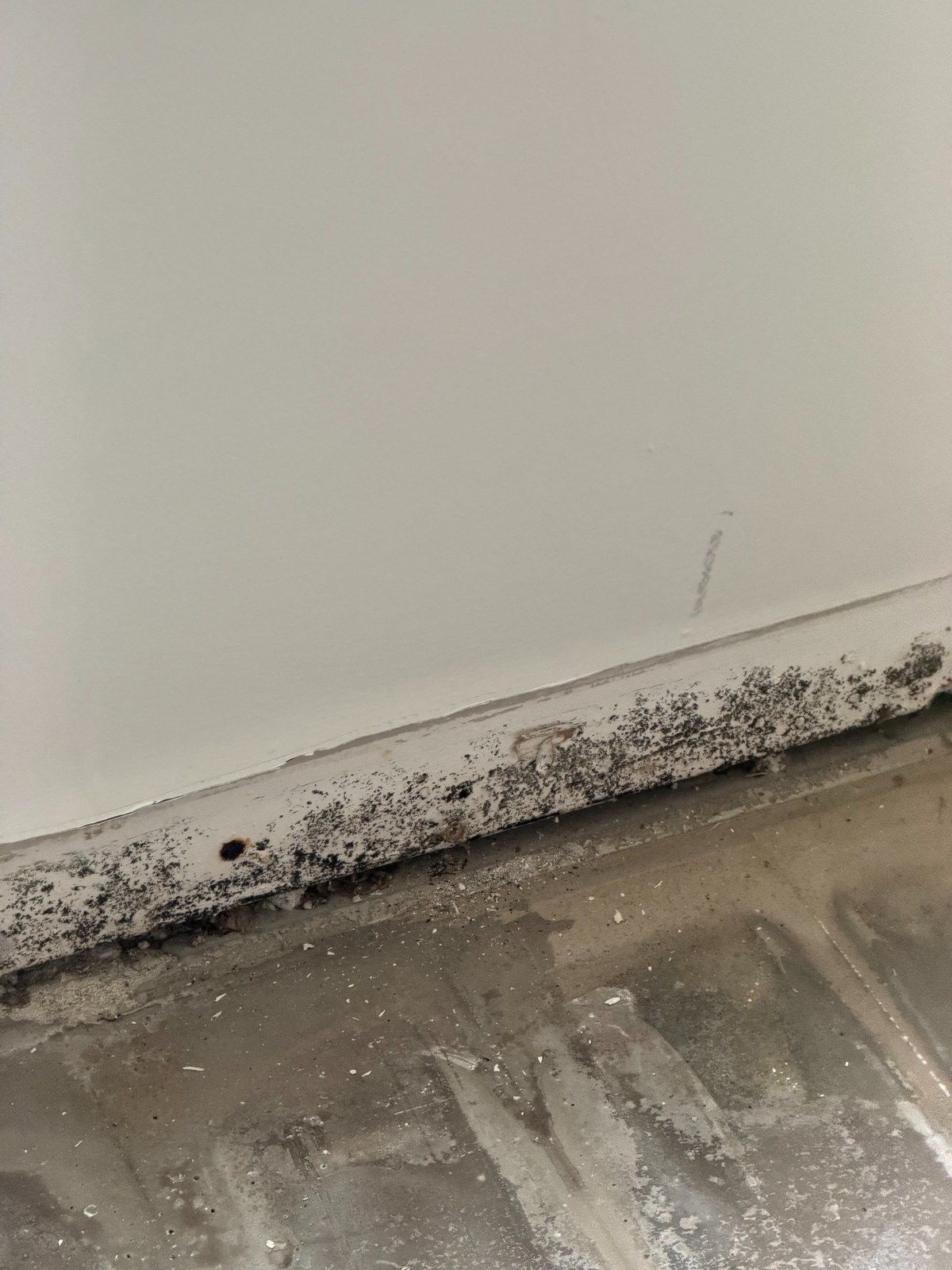
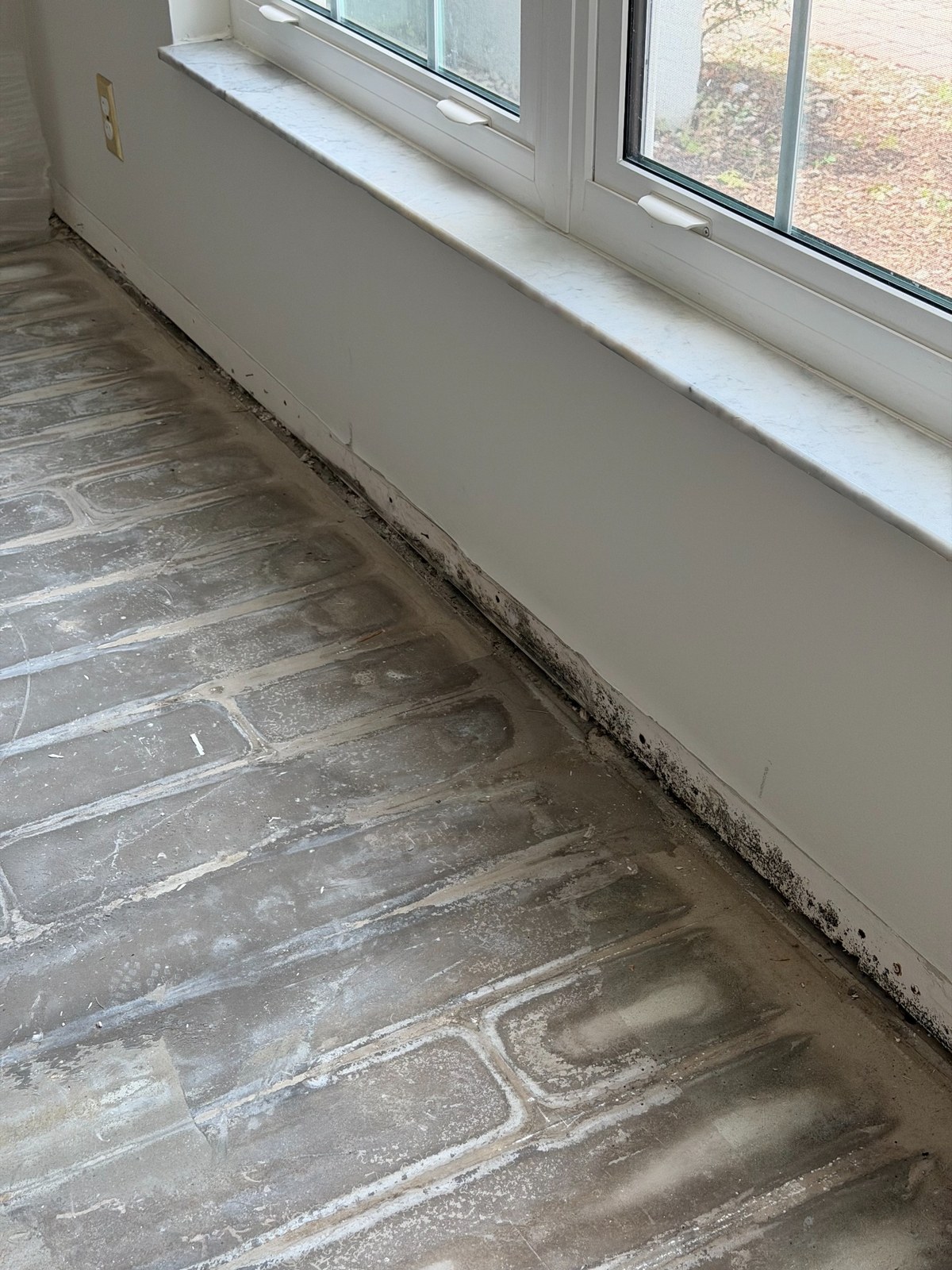
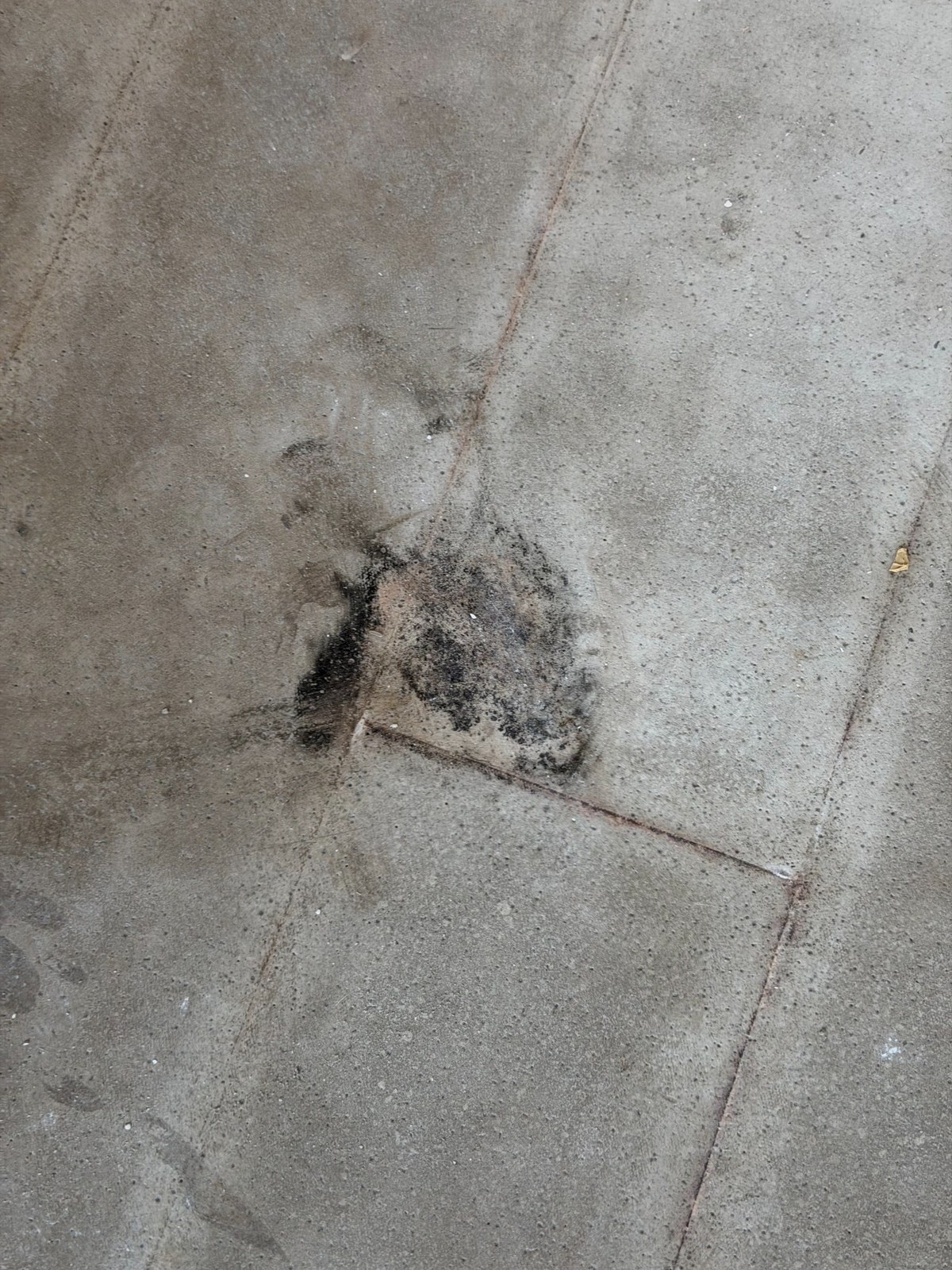
Home Enviro was contacted after suspected mold growth was discovered during reconstruction at a residential property in Plantation, Florida. Flooring and portions of the baseboards had already been removed, exposing lower wall sections and building materials that had previously been concealed. The inspection documented visible staining, deterioration, discoloration, and suspected fungal like growth in multiple accessible areas.
The assessment included a visual evaluation, moisture evaluation, thermal imaging, indoor temperature and relative humidity measurements, indoor and outdoor reference air sampling, surface swab sampling, accessible HVAC review, and airflow visualization around selected HVAC components and openings. Seven samples were collected during the assessment, and findings and recommendations were evaluated together rather than relying on one air sample, one moisture reading, or visual conditions alone.
Reconstruction can reveal building conditions that were not visible while flooring, baseboards, and other finishes were in place. In this Plantation assessment, removal of finishes exposed portions of the wall to floor perimeter, lower drywall, and adjacent materials with staining, deterioration, and visible suspected fungal like growth. The goal of the assessment was to document accessible conditions, evaluate evidence of present or previous moisture exposure, collect representative samples, assess accessible HVAC related areas, and provide recommendations for corrective action and professional remediation. Home Enviro performed the assessment as an independent mold assessor; the purpose was to identify and document conditions, not to perform remediation or make unsupported conclusions about the exact cause, duration, or pathway of every previous moisture event.
Client Concerns and Property Description
The concern began when reconstruction work exposed conditions behind flooring and baseboards. Once the finishes were removed, discoloration and suspected fungal like growth became visible along portions of the lower walls and wall to floor perimeter. The client requested an evaluation of accessible areas, including potential moisture related damage, visible conditions, air quality, representative surface conditions, and the accessible HVAC and air handler area.
This case involved a residential property in Plantation, Florida undergoing reconstruction. Portions of flooring and baseboards had already been removed before the inspection, which made previously concealed lower wall sections and subfloor adjacent areas accessible for visual documentation and evaluation. To protect privacy, this case study does not identify the client, property address, exterior, or exact inspection location beyond Plantation, Florida.
What the Investigation Found
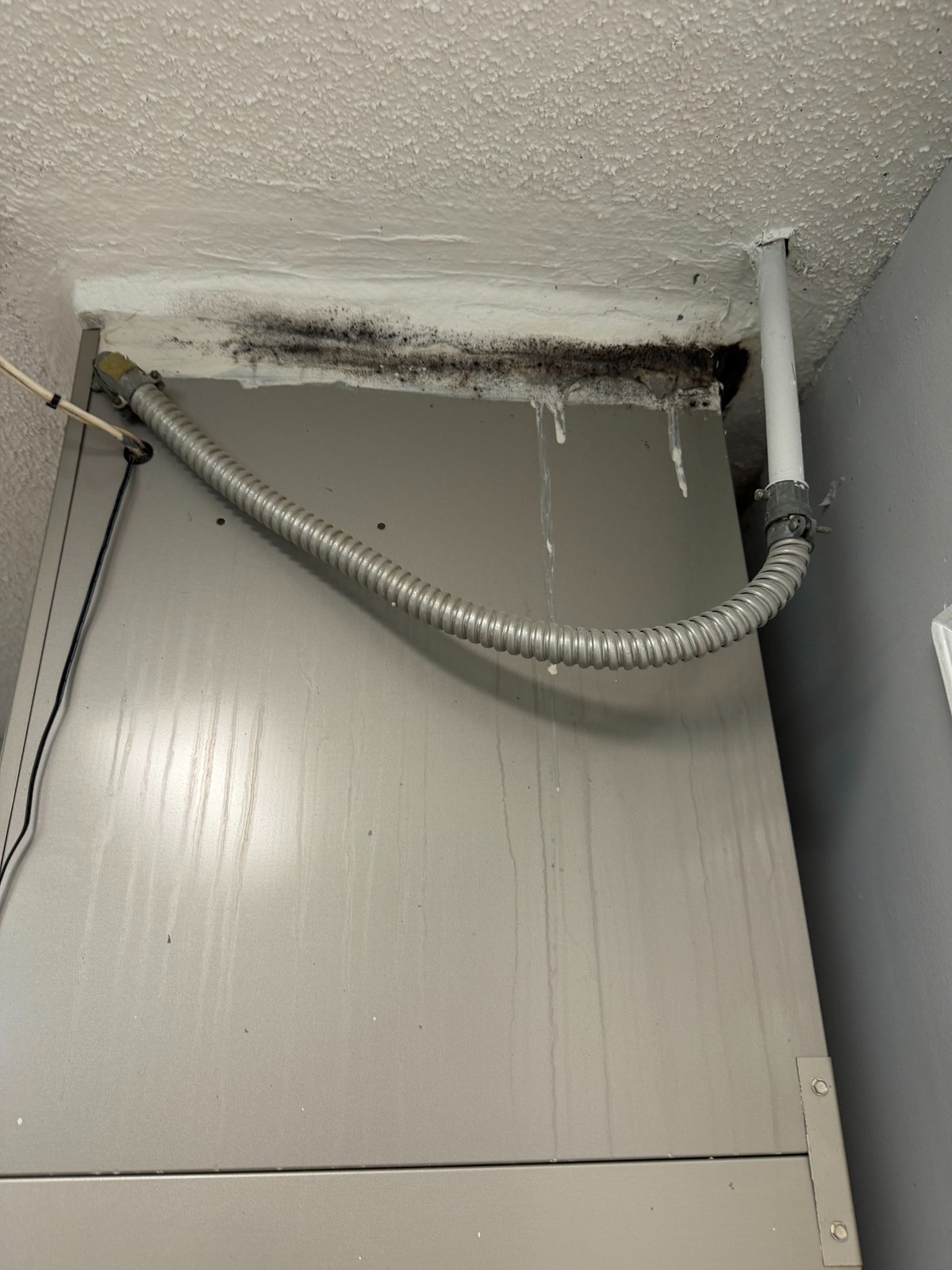
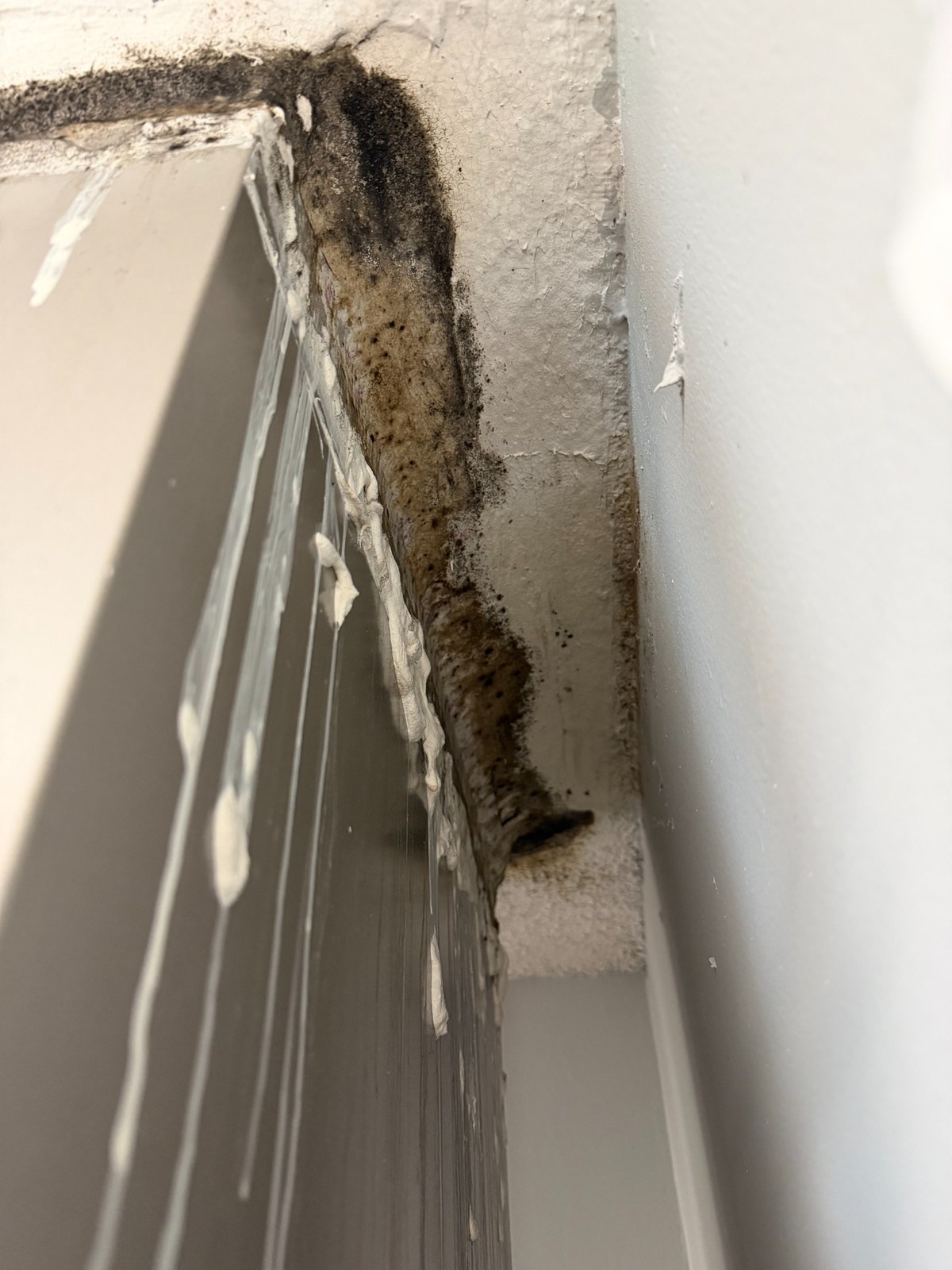
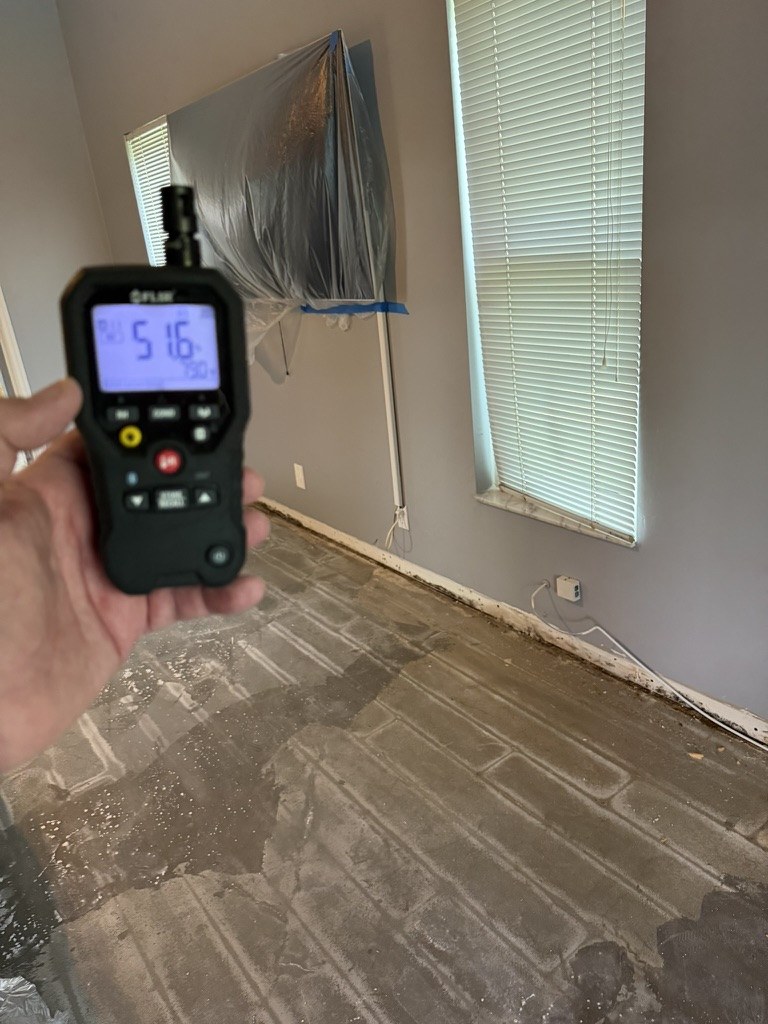
The primary areas evaluated were the master bathroom, master bedroom, TV/dining room, and the garage A/C/HVAC area. Significant staining, deterioration, discoloration, and suspected fungal like growth were documented around the garage air handler area and adjacent wall and ceiling materials, along with visible conditions at the exposed lower wall and wall to floor perimeter in the interior living spaces.
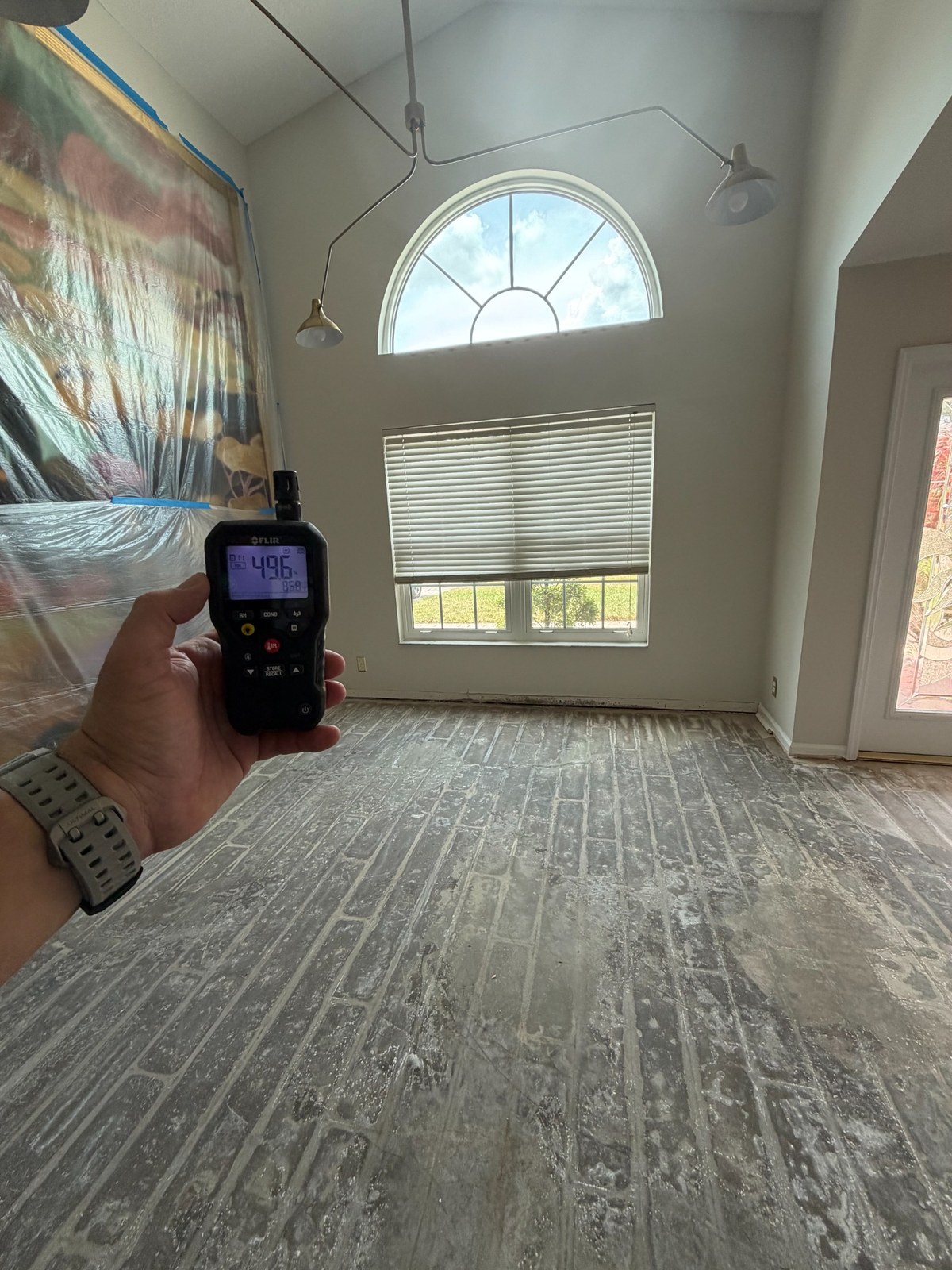
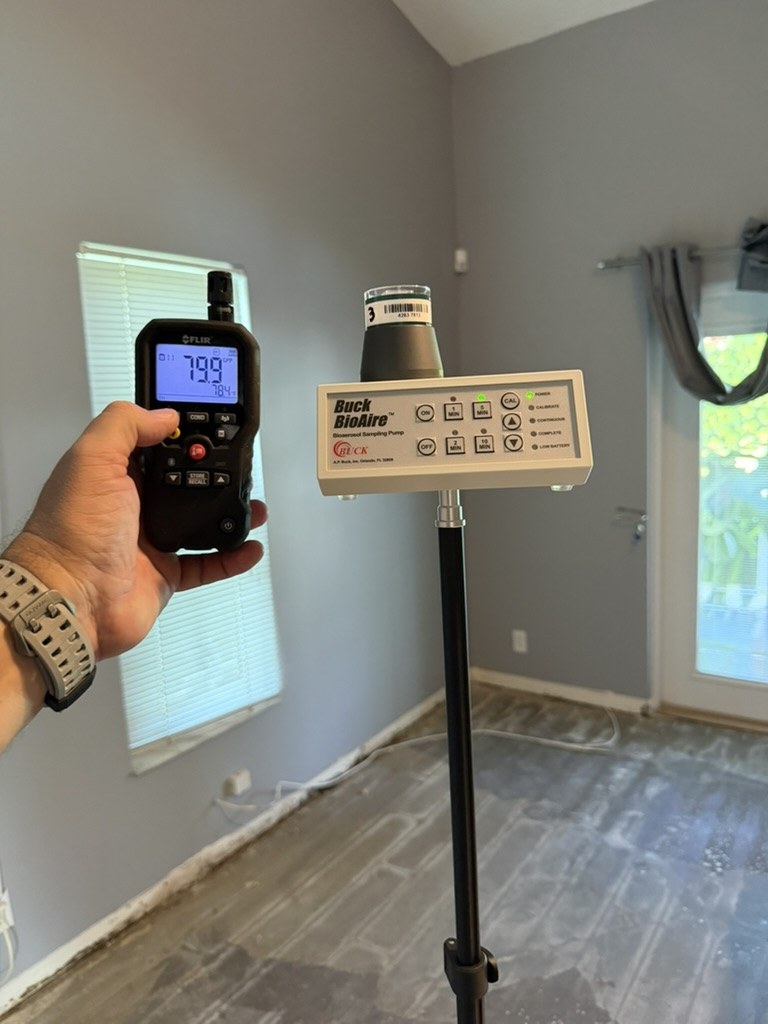
Indoor temperatures recorded during the assessment ranged from approximately 74.1°F to 75.7°F, and indoor relative humidity ranged from approximately 49.6% to 52.7%. Those ambient readings did not indicate elevated indoor humidity at the time of the inspection, and no significant elevated moisture was detected in the accessible building materials tested at that particular time. However, a normal moisture reading or normal relative humidity on the day of an inspection does not rule out previous, intermittent, or concealed moisture exposure; in this case, visible staining, deterioration, discoloration, and suspected fungal like growth were consistent with previous moisture related impact in the documented areas.
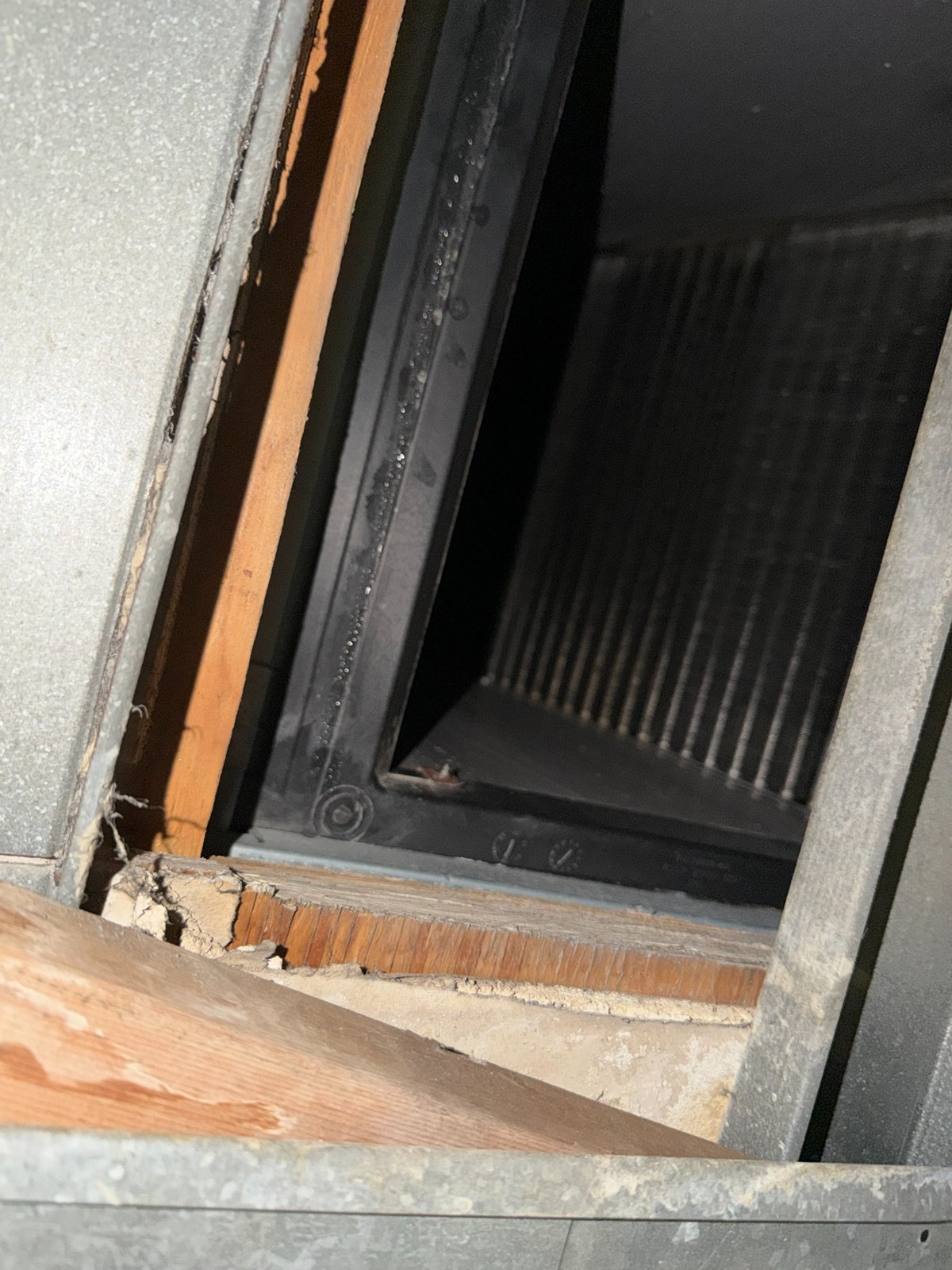
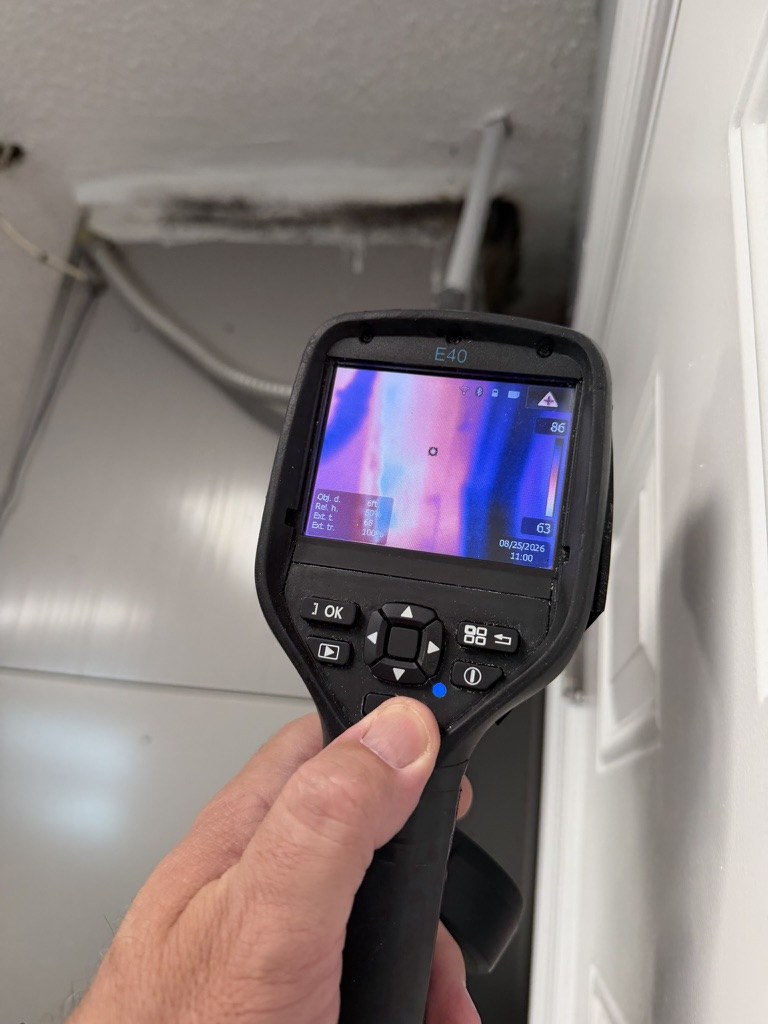
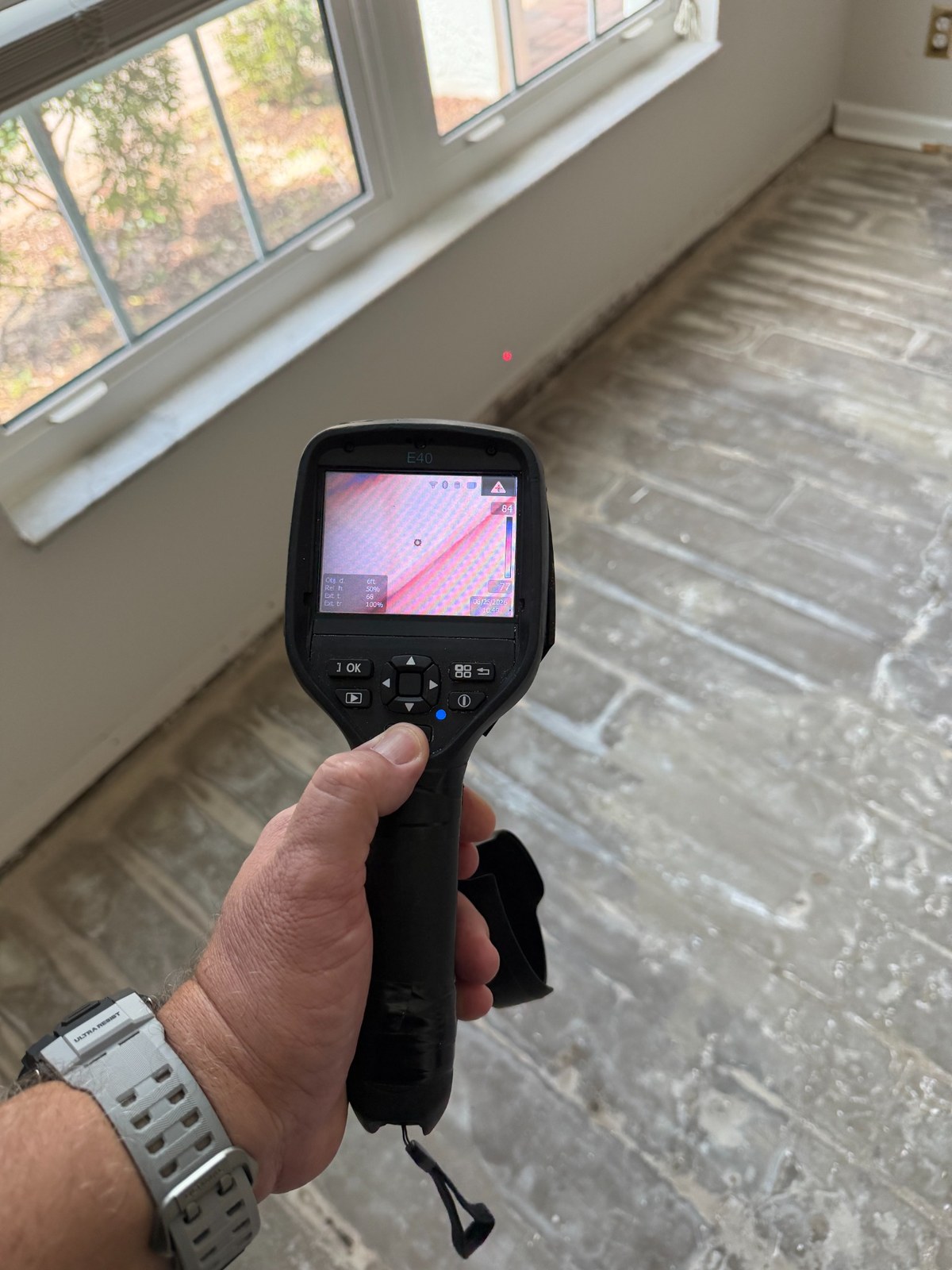
Thermal imaging was used with visual observations and moisture evaluation to review accessible walls, lower wall sections, flooring adjacent areas, and selected areas near windows. Thermal imaging is a screening tool that can identify temperature pattern differences; it does not, by itself, diagnose mold growth or prove a moisture source. Accessible HVAC related areas were evaluated as part of the assessment, and airflow visualization was performed around selected components and openings. This helped document observable airflow behavior but did not conclusively prove duct leakage or establish that the HVAC system caused all documented conditions. The precise source, duration, and pathway of all previous moisture exposure could not be definitively established during this non invasive assessment.
Laboratory Results
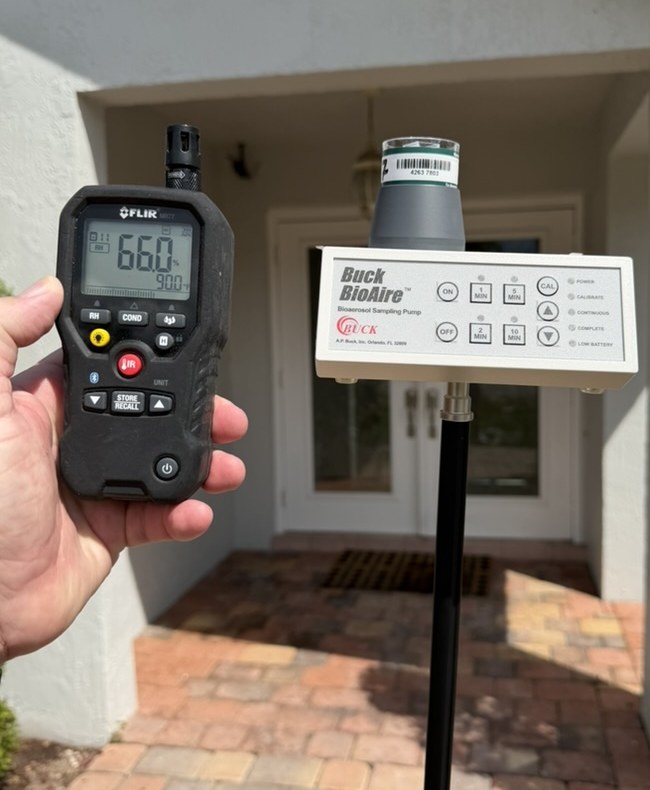
Seven samples were collected during the assessment: indoor air samples in the master bathroom, master bedroom, dining/living room, and nursery bedroom; surface swabs in the master bedroom and dining room; and one outdoor background/reference air sample.
Indoor air sample results: the master bathroom showed a total fungal concentration of approximately 3,790 spores/m³, including Aspergillus/Penicillium at approximately 2,300 spores/m³, Ascotricha at approximately 660 spores/m³, and Chaetomium at approximately 200 spores/m³. The master bedroom showed approximately 1,340 spores/m³ total, including Aspergillus/Penicillium at approximately 480 spores/m³, Ascotricha at approximately 440 spores/m³, and Chaetomium at approximately 300 spores/m³. The dining/living room showed approximately 1,430 spores/m³ total, with Aspergillus/Penicillium at approximately 1,200 spores/m³ and Ascotricha and Scopulariopsis/Microascus also identified. The nursery bedroom showed a total fungal concentration of approximately 550 spores/m³. The outdoor reference sample showed approximately 6,200 spores/m³.
Surface swabs from the master bedroom and dining room identified Ascotricha in a High category. Aspergillus/Penicillium was reported as Rare on the master bedroom swab and Low on the dining room swab. Stachybotrys/Memnoniella was not detected in the analyzed air or surface samples.
The total indoor fungal concentrations were lower than the outdoor reference concentration. However, a mold assessment does not evaluate only the total number of spores in an air sample. The assessment considered the fungal composition of samples, surface findings, visible suspected fungal like growth, staining, deterioration, moisture related conditions, and the exposure of previously concealed building materials during reconstruction. Taken together, those findings supported recommendations for localized professional remediation and corrective work in the documented areas.
Recommendations
Professional remediation was recommended for the master bathroom, master bedroom, TV room/dining room, and garage A/C/HVAC area. The remediation protocol included recommendations for appropriate containment of impacted work areas, negative air pressure where appropriate, HEPA filtered air scrubbers or negative air machines, removal of affected porous materials where warranted, HEPA vacuuming, detailed cleaning of remaining structural components, correction of contributing moisture conditions, adequate drying and dehumidification when necessary, HVAC corrective work where warranted, and Post Remediation Verification before reconstruction resumes.
For the HVAC and air handler area specifically, the recommended protocol called for professional evaluation and remediation, as necessary, of the A/C unit, air handler, and accessible associated HVAC components, which could include the evaporator coil, condensate drain pan, condensate line, blower compartment, return air components, supply plenum, return plenum, vent grilles, and accessible ductwork, along with correction of any condensation, drainage, air leakage, insulation deficiency, or other moisture related condition identified around the system. The report recommended remediation; it does not document completed remediation, repaired moisture sources, or post remediation results.
Why This Case Matters
This Plantation case demonstrates why a professional mold assessment should examine multiple forms of evidence. A normal ambient humidity measurement or a non elevated moisture reading at the moment of inspection does not erase evidence of prior or intermittent moisture exposure. Likewise, an air sample should not be interpreted in isolation from visible conditions, material deterioration, surface findings, reconstruction history, and accessible HVAC observations.
Here, reconstruction exposed conditions that had been concealed behind flooring, baseboards, and other finishes. The combined visual, environmental, laboratory, and HVAC related findings supported localized remediation recommendations and further correction of contributing moisture conditions where identified. Home Enviro performs independent mold assessment, mold testing, moisture investigation, and indoor air quality testing throughout South Florida, and does not perform mold remediation.
This Investigation Used
- • Thermal imaging equipment
- • Moisture evaluation equipment and temperature/relative humidity instrumentation
- • Buck BioAire bioaerosol sampling pump
- • Surface swab sampling materials
- • Airflow visualization equipment
Case Summary
Inspection Type: Residential Mold Assessment During Reconstruction
Property Location: Plantation, Florida
Primary Areas Evaluated: Master Bathroom, Master Bedroom, TV/Dining Room, Garage A/C/HVAC Area
Services Performed: Visual Assessment, Moisture Evaluation, Thermal Imaging, Air Sampling, Surface Sampling, HVAC Evaluation
Laboratory Findings: Localized fungal contamination supported by air and surface sampling
Recommendation: Professional remediation and independent Post Remediation Verification
Frequently Asked Questions
Why can mold become visible after flooring and baseboards are removed?
Flooring, baseboards, and other finish materials can cover portions of the lower wall and wall to floor perimeter. When reconstruction removes those finishes, staining, deterioration, or suspected fungal like growth that was previously concealed can become visible. In this Plantation assessment, removal of flooring and baseboards exposed accessible lower wall conditions that required documentation and further evaluation.
Can previous moisture damage exist when current moisture readings are normal?
Yes. Moisture readings reflect conditions at the time and location tested. A normal reading in accessible materials during an inspection does not rule out earlier, intermittent, or concealed moisture exposure. In this case, no significant elevated moisture was identified in the accessible materials tested at that time, but visible staining, deterioration, and suspected fungal like growth remained consistent with prior moisture related impact.
Why is an outdoor mold air sample collected?
An outdoor reference air sample provides a point of comparison for indoor air samples collected during the same assessment. Interpretation considers more than total fungal concentration: the fungal types identified, visible material conditions, surface findings, moisture related observations, and building history are also evaluated together.
Should Post-Remediation Verification be performed after remediation?
Yes. When remediation is recommended and later completed, independent Post Remediation Verification can evaluate whether the remediation area has been properly addressed before reconstruction resumes. This case study documents a recommendation for professional remediation and later PRV. It does not state that remediation or PRV had already been completed.
Privacy Notice: This case study has been prepared from an actual Home Enviro inspection. All identifying information, including the client's name, property address, and personal details, has been removed or generalized to protect privacy. Only the city and general property type are disclosed. Laboratory sample results shown here are drawn directly from the inspection's supplied findings for educational purposes; the full laboratory report itself is not published and was reviewed privately with the client. This case study is provided for educational purposes only.