
Resource Center / Learning Center / How Poor Exterior Maintenance Causes Water Intrusion
How Poor Exterior Maintenance Leads to Hidden Water Intrusion and Mold Growth in South Florida Homes
Many homeowners assume that water damage begins with a plumbing leak or a roof failure. In reality, one of the most common causes of hidden moisture inside South Florida homes is poor exterior maintenance — and it often starts with damage too small to notice from the street.
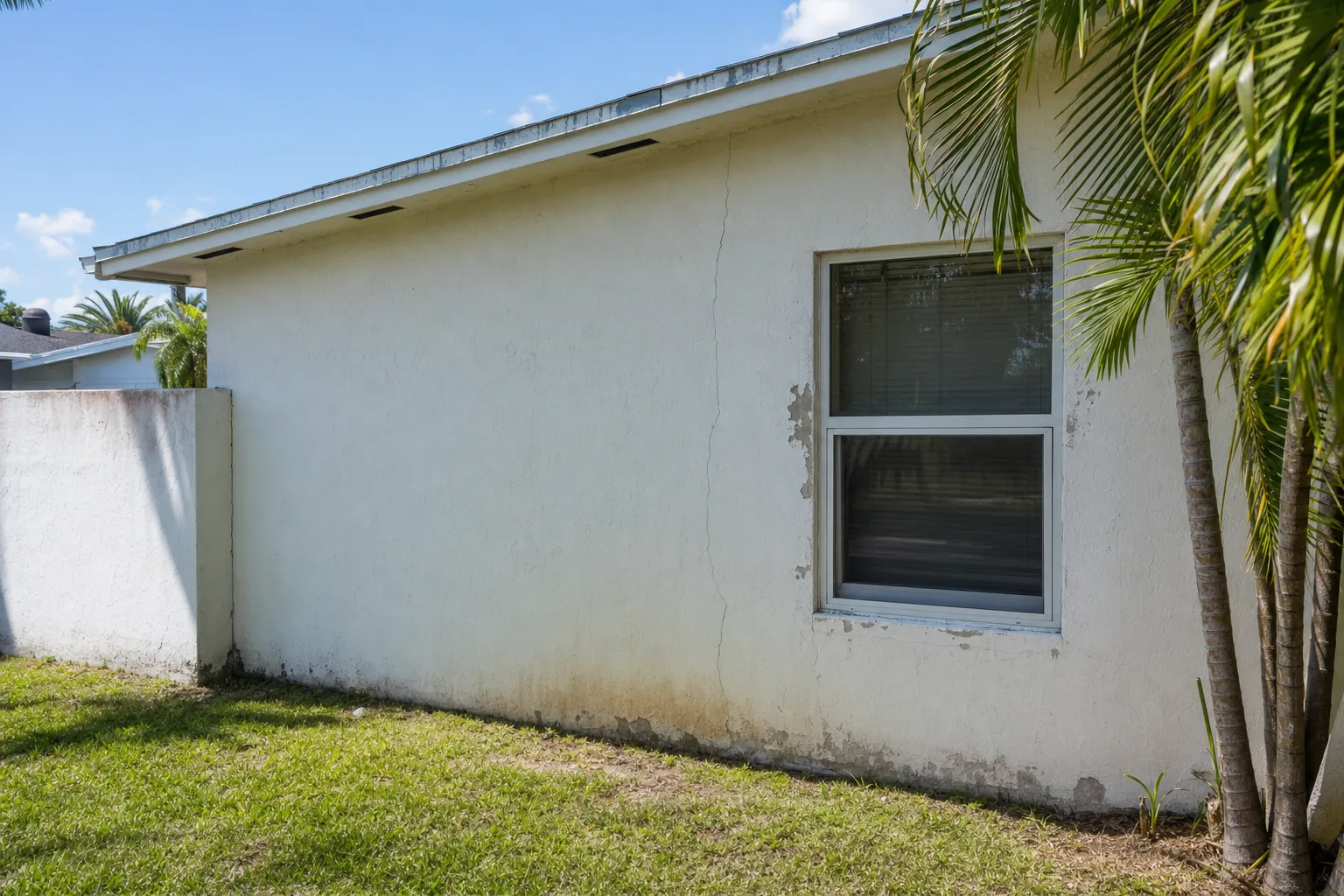
Over time, exposure to intense sunlight, heavy rain, high humidity, and tropical storms can cause exterior building materials to deteriorate. Small cracks and gaps may seem insignificant, but they can allow rainwater to enter the wall assembly. Once moisture becomes trapped inside the wall cavity, it creates favorable conditions for mold growth and building material damage.
Common Exterior Conditions That Allow Water Intrusion
Several exterior defects can allow moisture to enter the home, including:
- Cracked stucco
- Failed caulking around windows and doors
- Deteriorated exterior paint
- Separation around utility penetrations
- Open joints around trim
- Damaged flashing
- Poor drainage directing water toward the home
- Exterior wall cracks
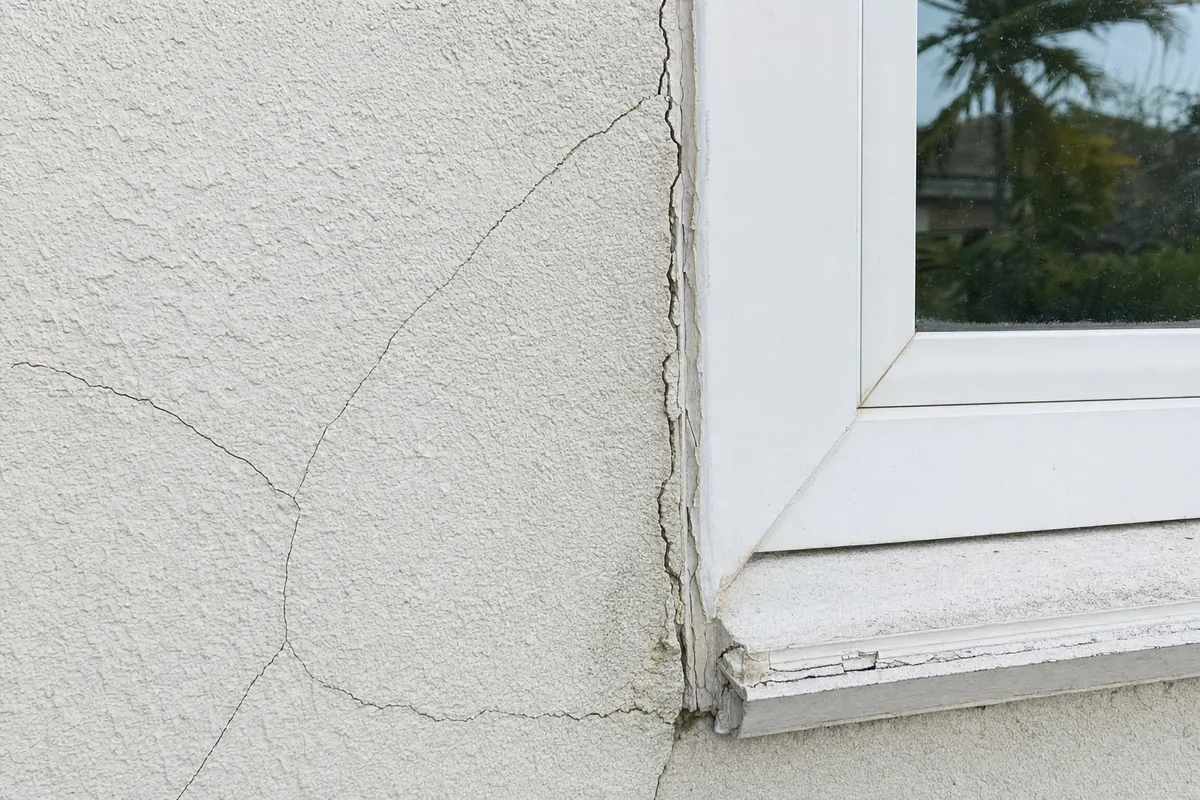
Even minor defects can permit water intrusion over time.
Warning Signs Inside the Home
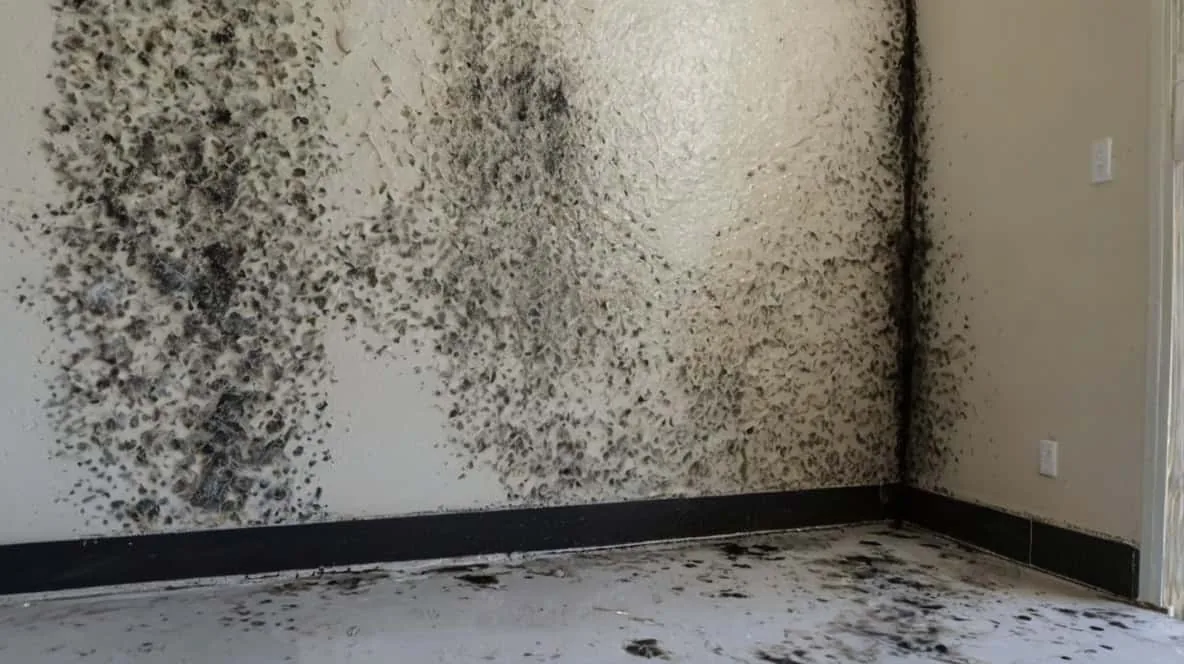
Because moisture often remains hidden inside the wall cavity, homeowners may not notice a problem until damage has already occurred. Common warning signs include:
- Musty odors
- Bubbling or peeling paint
- Water stains
- Elevated moisture readings
- Swollen baseboards
- Soft drywall
- Visible mold growth
- Indoor humidity concerns
How Professional Moisture Investigations Identify the Source
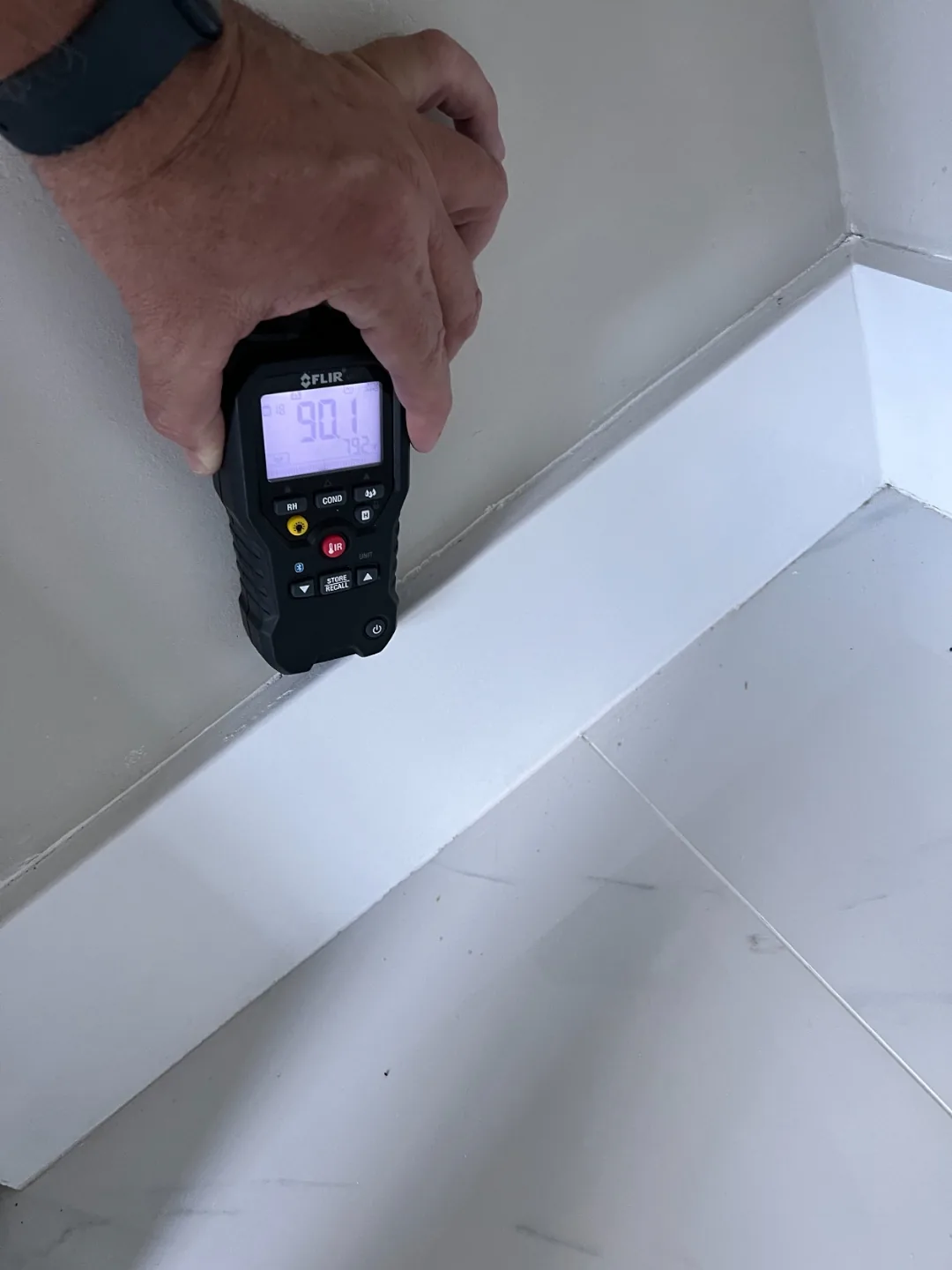
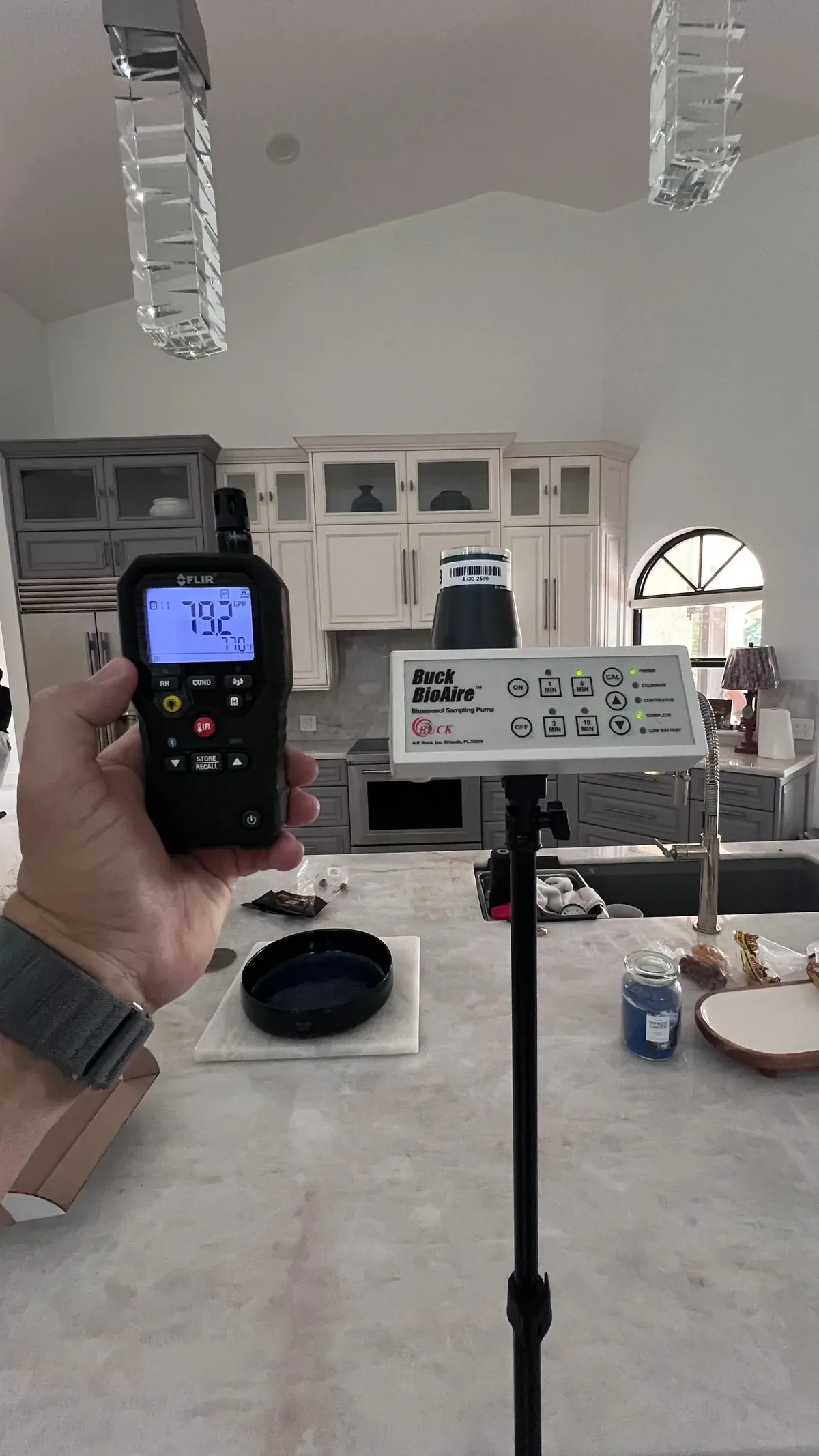
Finding the source of moisture requires more than a visual inspection. A professional mold assessment may include several diagnostic layers working together to confirm whether moisture is active and identify its probable source before unnecessary repairs are performed.
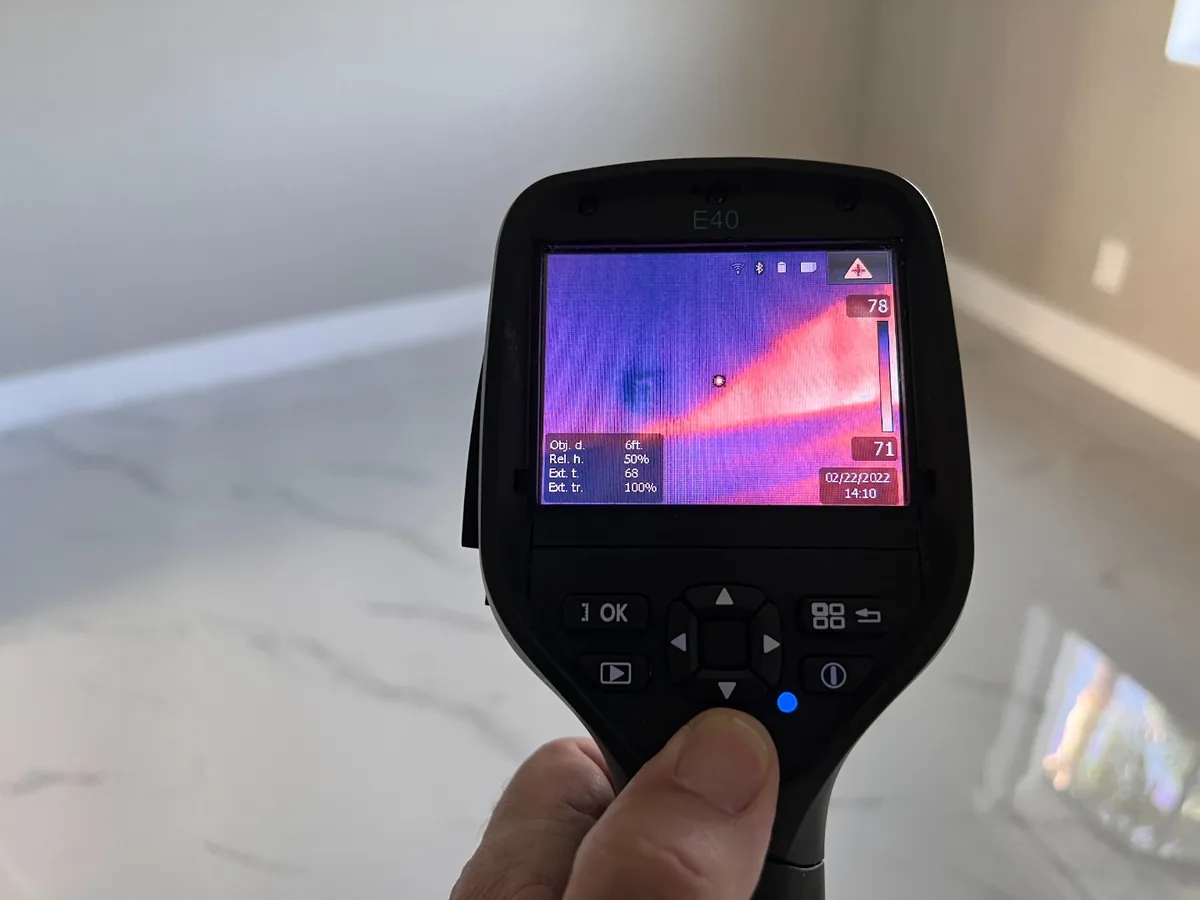
A Moisture Investigation May Include
- • Comprehensive visual inspection
- • Moisture mapping
- • Thermal imaging
- • Borescope inspection of concealed wall cavities when appropriate
- • HVAC inspection
- • Indoor and outdoor air sampling when indicated
- • Surface sampling when visible microbial growth is present
The Exterior Should Always Be Corrected First
Repairing damaged drywall without correcting the exterior source often results in recurring moisture problems.
Addressing exterior deficiencies first helps prevent additional water intrusion before interior restoration begins.
Case Study: Stucco Wall Intrusion in a Fort Lauderdale Waterfront Home
A Tarpon River homeowner noticed efflorescence staining and soft drywall along a west-facing exterior wall. Thermal imaging showed a large moisture plume extending from an exterior window frame down through two wall cavities, and air and surface sampling confirmed active mold growth — a real example of exactly the exterior-to-interior moisture pathway described above.
→ Read the Full Stucco Wall Intrusion Case Study on ExpressMoldInspection.comRoutine Exterior Maintenance Can Prevent Costly Repairs
Homeowners should periodically inspect:
- Exterior walls
- Stucco finishes
- Window and door sealants
- Roof to wall transitions
- Paint condition
- Foundation grading
- Gutters and drainage systems
Routine maintenance can significantly reduce the risk of hidden water intrusion.
Professional Moisture and Mold Assessments Throughout South Florida
Florida Mold Experts provides independent mold assessments, moisture investigations, thermal imaging, and indoor air quality evaluations throughout Broward County, Palm Beach County, and Miami-Dade County.
If you suspect hidden moisture or water intrusion, identifying the source early can help minimize damage and support informed repair decisions.
Exterior Water Intrusion FAQ
Yes. Even hairline stucco cracks can allow rainwater to enter the wall assembly, especially during wind-driven rain common in South Florida. Once inside the wall cavity, that moisture has few ways to dry out, creating conditions favorable for mold growth long before any interior damage becomes visible.
Common exterior warning signs include cracked stucco, failed caulking around windows and doors, deteriorated paint, and separation around utility penetrations. Interior signs, which often show up separately, include musty odors, bubbling or peeling paint, water stains, and soft drywall.
No. Repairing interior drywall without first correcting the exterior source typically results in recurring moisture problems. Addressing exterior deficiencies first helps prevent additional water intrusion before interior restoration begins.
A professional moisture investigation may include a comprehensive visual inspection, moisture mapping, thermal imaging, borescope inspection of concealed wall cavities when appropriate, HVAC inspection, and indoor and outdoor air sampling when indicated. These tools help confirm whether moisture is active and identify its probable source.
Homeowners should periodically inspect exterior walls, stucco finishes, window and door sealants, roof-to-wall transitions, paint condition, foundation grading, and gutters and drainage systems. Routine maintenance can significantly reduce the risk of hidden water intrusion.
Related Articles
If You Suspect Exterior Water Intrusion
Suspect Hidden Water Intrusion?
If you notice cracked stucco, failed caulking, or musty odors, schedule an independent moisture and mold assessment with Home Enviro before the damage spreads.
Schedule Your Moisture Assessment